Characteristics of Protists
- mostly unicellular, some are multicellular (algae)
- can be heterotrophic or autotrophic
- most live in water (though some live in moist soil or even the human body)
- ALL are eukaryotic (have a nucleus)
- A protist is any organism that is not a plant, animal or fungus
Classification of Protists
- how they obtain nutrition
- how they move
Plantlike Protists - also called algae - autotrophs
Funguslike Protists - heterotrophs, decomposers, external digestion
.Animallike Protists: Protozoans
Four Phyla of Animallike Protists
Classified by how they move
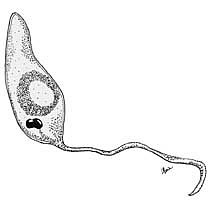
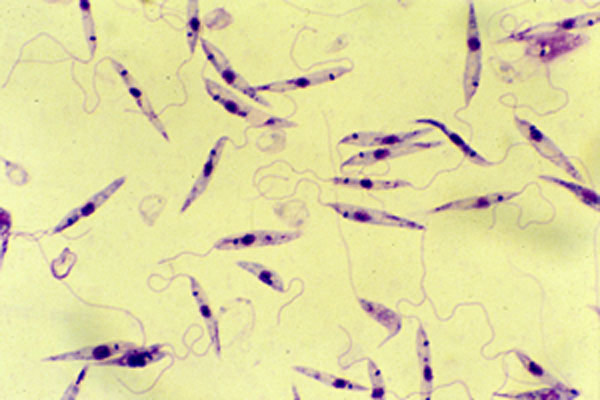
- Zooflagellates - flagella
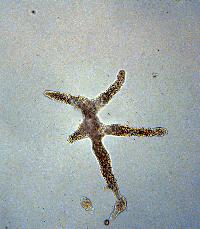
- Sarcodines - extensions of cytoplasm (pseudopodia)
- Ciliates - cilia
- Sporozoans - do not move
move using one or two flagellaAmeba (See Ameba Coloring Sheet)
absorb food across membrane
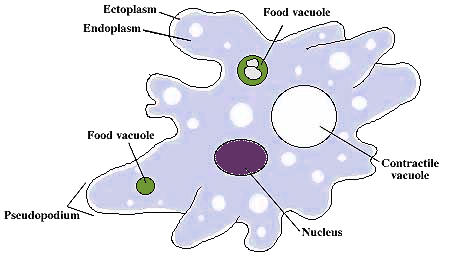
moves using pseudopodia ( "false feet" ), which are like extensions of the cytoplasm --ameboid movement
ingests food by surrounding and engulfing food (endocytosis), creating a food vacuole
reproducing by binary fission (mitosis)
contractile vacuole - removes excess water
can cause amebic dysentery in humans - diarrhea and stomach upset from drinking contaminated water
Other sarcodines: Foraminferans, Heliozoans

No comments:
Post a Comment